Pulparindo candy is a popular Mexican candy known for its tangy tamarind flavor, chewy texture, and combination of sweet, sour, salty, and spicy notes. While the original version is a favorite among fans of Mexican candy, other varieties offer different fruit flavors and levels of heat. If you enjoy bold, mouthwatering sweets, exploring the different Pulparindo flavors is a fun way to find your favorite.
What Pulparindo Flavors Are Available?
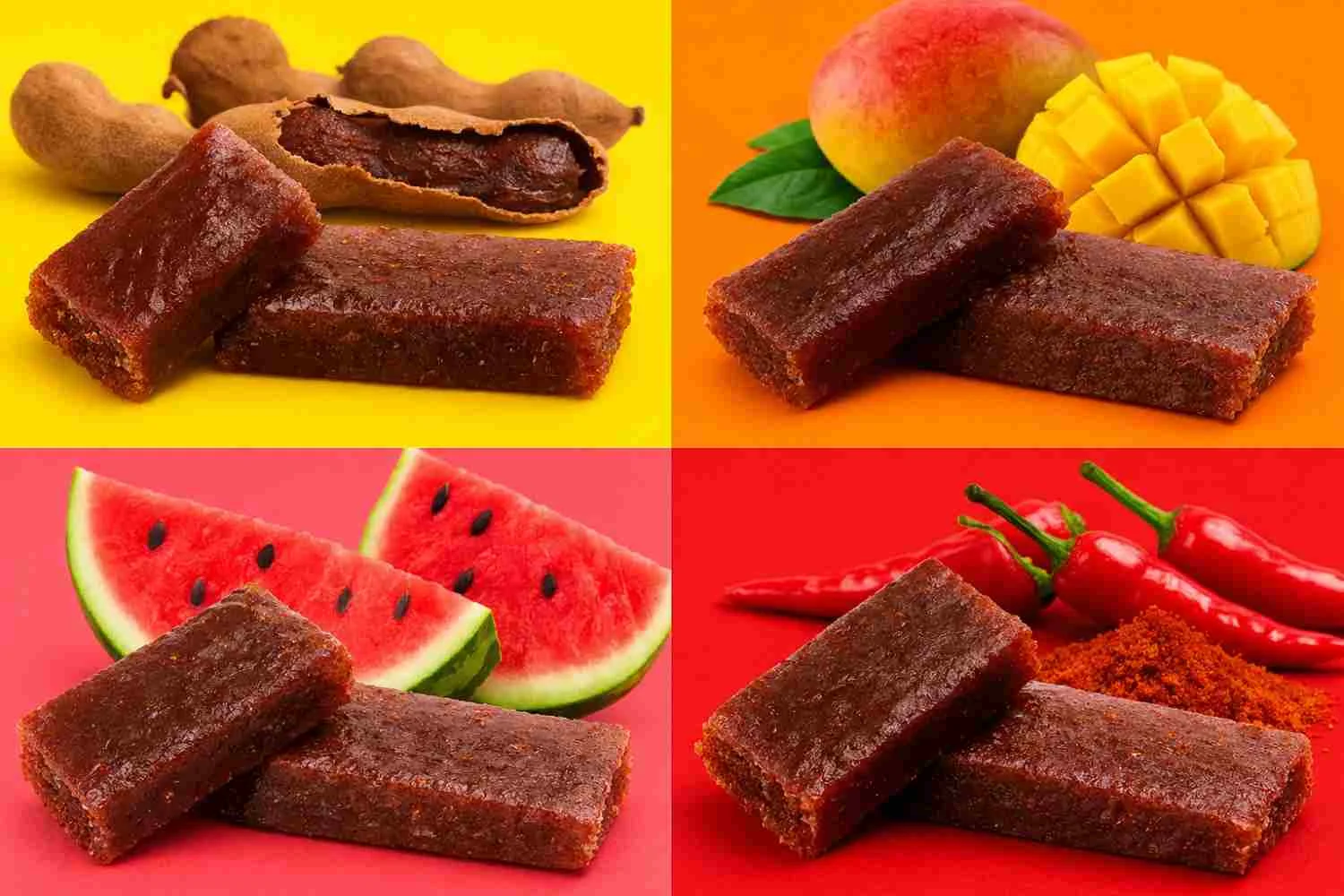
Pulparindo is best known for its original tamarind candy, but shoppers may also come across mango, watermelon, and spicier varieties. Availability can vary by retailer, package, and market, so not every flavor will be easy to find everywhere. The main varieties people look for include:
- Original Pulparindo: The classic tamarind-based candy with a sweet, sour, salty, and mildly spicy taste.
- Mango Pulparindo: A fruitier option associated with mango flavor and a sweet-tangy profile.
- Watermelon Pulparindo: A watermelon-inspired variety for people who prefer a lighter, fruit-forward candy taste.
- Pulparindo Chamoy: A variety or flavor description associated with chamoy-style sweet, sour, salty, and chili notes. Exact products may vary.
- Pulparindo Extra Picante: A spicier option for candy lovers who enjoy a more noticeable chili kick.

Because product names and formulations can differ, check the package when buying a specific variety.
Original Pulparindo
Original Pulparindo is the classic choice and a good starting point if you have never tried the candy. Its signature flavor comes from tamarind, a tropical fruit with a naturally tart, slightly fruity taste. The original version balances several flavors at once. Tamarind provides the tangy base, while sweetness softens its sharpness. Salt adds contrast, and chili brings a gentle warmth that helps give the candy its distinctive Mexican-candy character.
What does original Pulparindo taste like?
Expect a combination of sweet, sour, salty, and mildly spicy flavors. The tanginess is often the most noticeable feature, especially for people who are used to traditional fruit chews or hard candy. Original Pulparindo is a good choice if you enjoy tamarind, sour sweets, or snacks that combine fruit and chili. It is also the best variety to try first if you want to understand the flavor profile that makes Pulparindo recognizable.
Mango Pulparindo
Mango Pulparindo appeals to people who enjoy tropical fruit flavors. Mango is known for its ripe, sweet, fragrant taste, which can make a fruit-flavored candy seem rounder and less sharply tart than a tamarind-forward variety. The exact balance depends on the product. A mango version may still have the sweet, sour, salty, or spicy character associated with Pulparindo, but the mango flavor gives it a different overall impression.
Who should try mango Pulparindo?
Mango Pulparindo may be a good fit if you:
- Prefer tropical fruit flavors.
- Enjoy candy that balances sweetness with tanginess.
- Want an alternative to the original tamarind taste.
- Like Mexican candies that combine fruit flavors with chili-style seasoning.

If you already enjoy mango with lime, salt, or chili, this variety may appeal to your taste preferences.
Watermelon Pulparindo
Watermelon Pulparindo offers another fruity option for people who want something different from the original. Watermelon has a recognizable sweet, refreshing flavor, giving this variety a different profile from the earthy tartness associated with tamarind.
The flavor can depend on the specific formulation, so it is best not to assume every watermelon product tastes the same. Some versions may emphasize fruity sweetness, while others may retain more of the tangy or spicy contrast that fans expect from Mexican candy.
What makes watermelon Pulparindo different?
The main difference is its fruit-inspired flavor. Compared with original Pulparindo, watermelon may appeal more to people who prefer familiar, sweet fruit notes over a strong tamarind taste.
Choose watermelon Pulparindo if you like watermelon candy, want to explore fruitier options, or prefer to try something beyond the classic flavor.
Chamoy and Spicy Varieties
Chamoy and spicy varieties are worth exploring if you enjoy the combination of fruit, tanginess, salt, and chili. However, it is useful to distinguish a specific product flavor from a general flavor description: availability and exact naming may vary between packages and retailers.
Pulparindo Chamoy
Chamoy is commonly associated with a bold combination of sweet, sour, salty, and chili flavors. A Pulparindo variety described as chamoy-style may appeal to people who enjoy that layered flavor profile.
If you like chamoy-covered fruit, Mexican candy with chili seasoning, or snacks that combine tanginess and salt, this style may be worth trying. Check the package ingredients and flavor name to confirm the specific product you are purchasing.
Pulparindo Extra Picante
“Extra picante” means extra spicy. This variety is intended for people who want a more pronounced spicy character than they would expect from a milder candy.
The exact heat level can depend on the formulation, and individual tolerance for chili varies. If you are new to spicy Mexican candy, consider starting with original Pulparindo before trying an extra-picante version.
Who should choose a spicy Pulparindo flavor?
Spicy varieties are best suited to people who enjoy chili-forward snacks and the contrast between sweetness, acidity, salt, and heat. If you prefer candy that tastes mostly sweet, a fruitier option may be a better starting point.
How Pulparindo Flavors Differ
The easiest way to compare Pulparindo flavors is to consider their main taste, how much tanginess you enjoy, and whether you prefer mild or pronounced heat.
| Flavor | Main taste impression | Best for |
| Original | Tangy tamarind with sweet, salty, and spicy notes | First-time tasters and tamarind fans |
| Mango | Tropical, fruity, and sweet-tangy | People who enjoy mango candy |
| Watermelon | Watermelon-inspired fruit flavor | Fans of fruity, familiar candy tastes |
| Chamoy-style | Sweet, sour, salty, and chili-inspired | People who enjoy chamoy flavors |
| Extra Picante | A stronger spicy character | Fans of chili-forward Mexican candy |
This table is a general flavor guide rather than a guarantee of exact taste or heat. Recipes, product names, and availability may vary, so the package is the best source for details about a particular product.
One important difference is the role of tamarind. Original Pulparindo is closely associated with tamarind’s distinctive tartness. Fruit-flavored varieties introduce other flavor profiles, while chamoy-style or extra-picante options appeal to people who want a stronger sweet-salty-spicy combination.
How to Choose a Pulparindo Flavor
The best Pulparindo flavor depends on what you enjoy in candy. You do not need to try every variety at once; start with the flavor profile that sounds most appealing.
- Choose original Pulparindo if you want the classic tamarind taste and the traditional sweet-sour-salty balance.
- Choose mango Pulparindo if you prefer tropical fruit flavors and a sweeter impression.
- Choose watermelon Pulparindo if you enjoy watermelon candy and want a fruit-forward alternative.
- Try Pulparindo chamoy if you like sweet, sour, salty, and chili-style flavor combinations.
- Choose Extra Picante if you enjoy noticeable chili heat and want a spicier candy experience.
If you are buying Pulparindo for a group, a mixed assortment can be a practical way to compare different flavors. Try the original first, then sample the fruitier or spicier varieties. This makes it easier to notice how the flavor changes from one type to another.
When shopping online, look closely at the product title, packaging photos, and ingredient list. Flavor names can be similar, and not every retailer carries every variety. Checking the label helps you confirm that you are buying the version you want.
Frequently Asked Questions
What are the main Pulparindo flavors?
Original tamarind is the best-known flavor. Shoppers may also find mango, watermelon, and spicier or chamoy-style varieties, depending on the product and retailer.
Is original Pulparindo spicy?
Original Pulparindo typically combines tamarind tanginess and sweetness with salt and some chili heat. The perceived spice level can vary by product and by individual tolerance.
Is mango Pulparindo sweeter than the original?
Mango Pulparindo has a fruit-inspired flavor that may seem sweeter or more tropical than the tamarind-forward original. The precise taste depends on the product formulation.
What does watermelon Pulparindo taste like?
Watermelon Pulparindo has a watermelon-inspired fruit profile. Its balance of sweetness, tanginess, and spice depends on the specific version.
What does “Extra Picante” mean?
“Extra picante” means “extra spicy” in Spanish. The name signals a spicier option, although the exact heat level may vary.
Is Pulparindo chamoy the same as original Pulparindo?
Not necessarily. Original Pulparindo is associated with tamarind, while chamoy-style flavoring suggests a sweet, sour, salty, and chili-inspired profile. Check the exact product label to confirm its flavor and ingredients.
Which Pulparindo flavor should I try first?
Original Pulparindo is a good starting point because it introduces the classic tamarind taste. If you prefer fruit candy, try mango or watermelon. If you enjoy chili heat, explore a chamoy-style or Extra Picante variety.
Final Thoughts
Exploring Pulparindo flavors is a simple way to discover how different fruit notes and spice levels can change the experience of Mexican candy. Original Pulparindo is the classic choice for tangy tamarind, mango and watermelon offer fruity alternatives, and chamoy-style or Extra Picante varieties may suit people who prefer bolder, spicier flavors.
Start with the flavor that best matches your preferences, and check the packaging for the exact variety and ingredients. Whether you prefer sweet fruit notes, sour tamarind, or a stronger chili kick, the right Pulparindo flavor comes down to the balance of tastes you enjoy most.
Pingback: Is Pulparindo Candy Spicy? - mexicancandy.us
Pingback: Pulparindo Bar vs. Squeeze Candy: Key Differences Explained - mexicancandy.us